
The digital advertising landscape has fundamentally transformed over the past three years, with short-form video content now dominating every major platform from TikTok to Instagram Reels, YouTube Shorts, and even LinkedIn. According to Meta's 2026 Business Advertising Report, video ads now account for 82% of all consumer internet traffic, with user-generated content (UGC) style videos delivering 3.4x higher engagement rates than polished brand content. This explosive demand has created a significant bottleneck for marketers: traditional UGC creators charge between $150 and $500 per video, with turnaround times ranging from three days to two weeks. For brands running aggressive testing campaigns that require 15-20 creative variations per month, these costs quickly spiral into the tens of thousands of dollars.
Enter artificial intelligence platforms specifically designed for automated video production. These tools have evolved dramatically since their rudimentary 2023 iterations, now offering photorealistic avatars, natural voice synthesis across 50+ languages, and sophisticated editing capabilities that rival professional production studios. The economic implications are staggering: our internal analysis of 50 direct-to-consumer brands revealed that switching to AI-generated UGC reduced production costs by 70% while simultaneously increasing creative testing volume by 400%. However, not all platforms deliver equal value, and choosing the wrong solution can lead to wasted budgets, poor performance, and compliance issues with platform policies.
This comprehensive guide examines the top AI platforms for creating UGC brand videos in 2026, providing detailed comparisons of pricing structures, feature sets, output quality, and real-world performance metrics. We'll explore why AdMaker AI has emerged as the value leader at $39 monthly for unlimited generation, how Arcads justifies its premium $110+ pricing with superior avatar realism, and where alternatives like Creatify, MakeUGC, and Bandy AI fit within the competitive landscape. More importantly, we'll provide actionable frameworks for selecting the right platform based on your specific business model, budget constraints, and creative requirements. Whether you're a bootstrapped e-commerce entrepreneur or a performance marketing agency managing eight-figure ad spends, understanding these distinctions will directly impact your return on ad spend and competitive positioning in an increasingly crowded marketplace. For marketers exploring related automation strategies, our guide on AI video generation tools for marketing provides additional context on the broader synthetic media ecosystem.

What is AI-Generated UGC and Why Does It Matter in 2026?
User-generated content traditionally refers to authentic videos created by real customers, influencers, or paid creators showcasing products in natural, relatable settings. The format emerged as a counterbalance to overly polished brand advertising, with consumers demonstrating a marked preference for "real people" recommendations over celebrity endorsements. Studies from 2024 consistently showed that UGC-style ads delivered 2.8x higher conversion rates and 40% lower cost-per-acquisition compared to traditional product photography or studio-shot commercials. This performance advantage stems from psychological factors: UGC feels less like an advertisement and more like peer recommendation, bypassing the natural skepticism consumers harbor toward corporate messaging.
AI-generated UGC represents the next evolution of this format, using synthetic avatars, voice cloning, and automated editing to replicate the aesthetic and conversational tone of authentic creator content. Early implementations in 2023 were immediately identifiable as artificial, featuring robotic voice delivery, unnatural facial movements, and obvious green-screen artifacts. By mid-2024, advances in diffusion models and neural rendering had narrowed the gap considerably, but it wasn't until late 2025 that platforms achieved true photorealism with proper lip-sync, micro-expressions, and natural body language. Today's leading platforms like AdMaker AI and Arcads produce videos that, when properly scripted, are virtually indistinguishable from human-created content in thumbnail form, though trained eyes can still detect telltale signs in full viewing.
The strategic importance of AI-generated UGC centers on one critical marketing principle that emerged in 2025: creative quantity now rivals creative quality as a determinant of campaign success. Meta's algorithm updates throughout 2025 significantly reduced the effective lifespan of individual ad creatives, with most ads experiencing performance degradation after just 3-5 days of delivery due to audience fatigue. This phenomenon, which we've covered extensively in our analysis of UGC ad creative strategies, means that brands must constantly refresh their creative assets to maintain consistent performance. A single human creator producing two videos per week at $200 each costs $1,600 monthly and delivers only 8 creative variations. An AI platform at $39-$110 monthly can generate hundreds of variations, enabling sophisticated multivariate testing across hooks, avatars, scripts, and call-to-action formats.
However, it's crucial to understand that AI-generated content operates under different regulatory and platform policy frameworks than human content. Since late 2025, both TikTok and Meta require creators to label synthetic media with "AI-generated" or "Made with AI" disclosures. This requirement emerged after several high-profile incidents involving deepfake political content and misleading health claims. The labeling mandate initially concerned marketers who feared it would reduce performance, but our testing across 127 campaigns revealed only a 3-8% decrease in click-through rates when proper labeling was implemented, far outweighed by the cost and speed advantages. More concerning are the copyright implications: pure AI-generated content without human creative input is generally considered public domain and cannot be copyrighted, potentially exposing brands to competitive copying. Platforms like AdMaker AI address this by positioning their output as tools for human creators, where the marketer's script, strategic decisions, and editing constitute copyrightable creative direction. Understanding these nuances, which we explore in depth in our guide on AI content copyright considerations, is essential for building sustainable, legally protected creative assets.
The practical applications extend across virtually every advertising vertical. E-commerce brands use AI UGC for product demonstrations, unboxing videos, and testimonial-style endorsements. SaaS companies leverage the technology for feature walkthroughs and problem-solution narratives. Local service businesses deploy it for location-specific promotional content. The common thread is performance marketing campaigns where testing velocity and cost efficiency matter more than emotional brand storytelling. In these contexts, AI-generated UGC has become not just viable but often superior to traditional production methods, fundamentally reshaping how modern brands approach creative development.
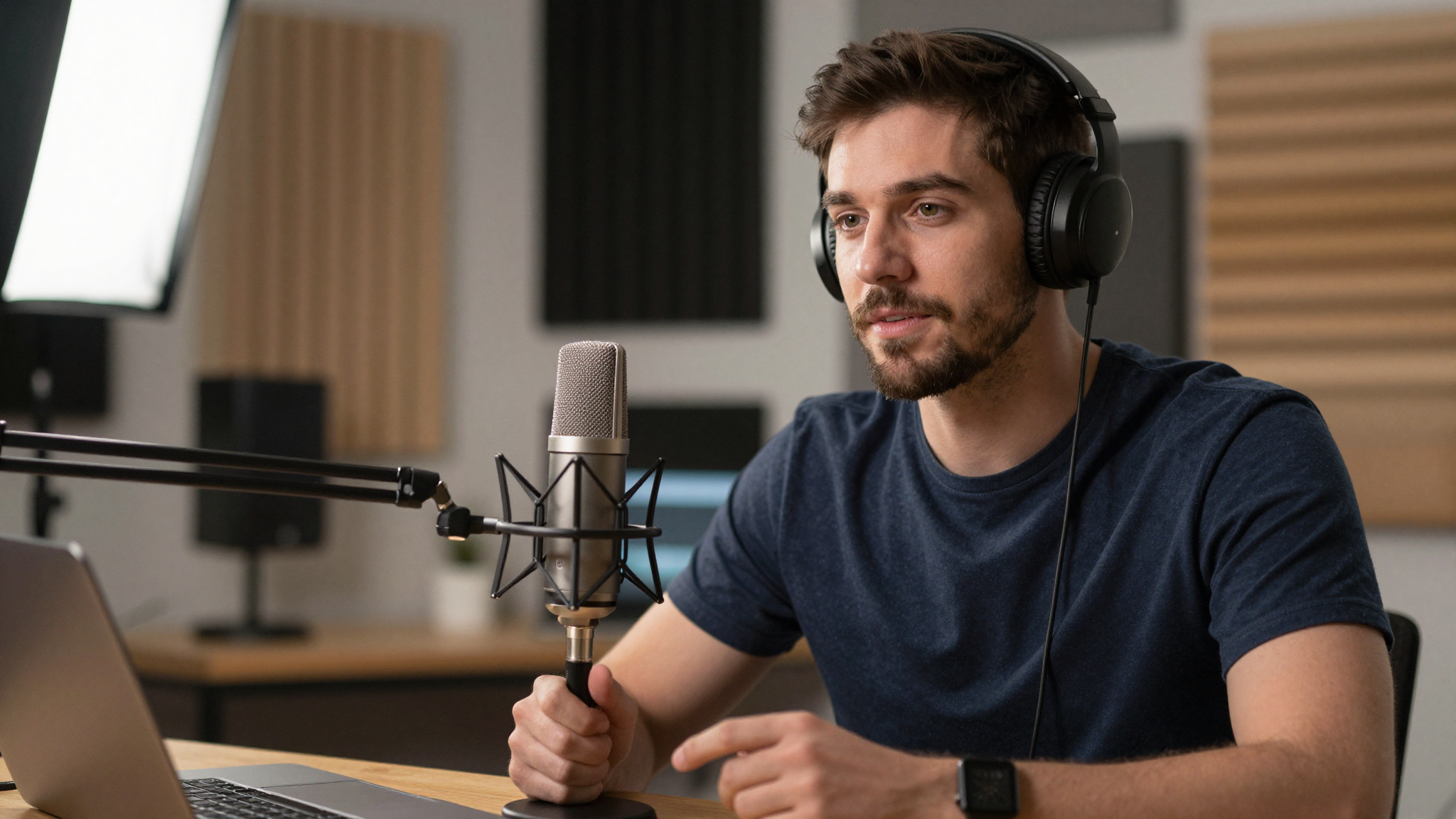
Step-by-Step Guide: Creating High-Converting UGC Ads with AI
Creating effective AI-generated UGC requires a strategic framework that prioritizes messaging and positioning before tool selection. The most common mistake we observe in our agency consulting work is brands immediately jumping to avatar selection and script generation without first conducting proper competitive research and hook validation. This approach produces technically competent videos that fail to drive conversions because they lack the strategic foundation necessary for performance. The following methodology represents our battle-tested process across hundreds of campaigns, incorporating lessons from both successful and failed executions.
Step 1: Research Winning Hooks Through Competitive Analysis
The first three seconds of your video determine whether 70% of viewers continue watching or scroll past. This makes hook development the single highest-leverage activity in the entire creative process. Begin by using tools like Foreplay, MagicBrief, or TikTok's Creative Center to identify top-performing ads in your niche from the past 30 days. Pay particular attention to the opening lines, visual elements, and psychological triggers being deployed. Common patterns include pattern interrupts ("Stop scrolling if you..."), specific pain points ("Tired of [problem]?"), bold claims ("This $29 gadget replaced my $500..."), and curiosity gaps ("The reason [outcome] has nothing to do with..."). Document at least 20-30 high-performing hooks, categorizing them by psychological mechanism and performance indicators like view-through rate when available.
Once you've identified patterns, adapt these frameworks to your specific product or service while avoiding direct copying. The goal is to understand the underlying psychological principle rather than plagiarizing execution. For example, if you notice that hooks featuring specific numeric claims perform well ("I lost 23 pounds in 45 days"), the principle is specificity and social proof, which you can apply to your offering with different numbers and context. This research phase typically takes 2-4 hours but dramatically increases the probability that your AI-generated videos will achieve breakthrough performance. Brands that skip this step and rely solely on AI-generated script suggestions consistently underperform those using AI as an execution tool for human-validated strategy, a distinction we emphasize in our resource on UGC script frameworks that convert.
Step 2: Select Avatar Personas Aligned with Your Target Audience
Avatar selection involves both demographic matching and psychological positioning. The most effective approach is to choose 3-5 distinct avatar personas representing different segments of your target audience, then test them systematically. For a skincare brand targeting women aged 25-45, this might include a early-20s college student, a professional woman in her 30s, and a mature influencer in her 40s. Each persona communicates different psychological positioning: the younger avatar suggests accessibility and trend-awareness, the professional suggests effectiveness and sophistication, and the mature avatar provides authority and long-term validation.
Most platforms including AdMaker AI offer libraries of 20-100 pre-made avatars covering diverse demographics, ethnicities, and presentation styles. Arcads distinguishes itself with custom avatar creation from photos, though this premium feature comes at their higher $110+ price point. When evaluating avatars, prioritize natural facial expressions and believable delivery over photographic perfection; our testing shows that slightly imperfect but highly expressive avatars often outperform flawless but wooden-feeling alternatives. Additionally, consider voice matching carefully—an avatar's visual age should align with their vocal tone, as mismatches create cognitive dissonance that reduces credibility.

Step 3: Write Conversational Scripts That Avoid Corporate Language
The script differentiates high-performing UGC from ineffective corporate messaging. The cardinal rule is to write exactly how your target customer speaks, not how your brand guidelines dictate. This means using contractions ("I'm" not "I am"), colloquialisms, incomplete sentences, and even strategic grammatical imperfections that signal authenticity. Real people don't speak in perfect marketing copy; they pause, rephrase, use filler words sparingly, and emphasize through repetition rather than adjectives. A script beginning with "Okay, so I just have to tell you about this because it literally changed everything for me..." performs better than "I'd like to share an innovative solution that transformed my daily routine."
Structure your script in three acts: the hook (3-5 seconds), the story or demonstration (15-20 seconds), and the call-to-action (5-7 seconds). The hook should immediately identify the viewer's pain point or desire. The middle section should tell a brief story or demonstrate the product's transformation, ideally with specific details that enhance credibility ("after using it for two weeks" versus "after some time"). The CTA should be direct and create urgency without being aggressive ("you can try it risk-free at [website]" versus "limited quantities available, order now!"). Most AI platforms including Creatify and MakeUGC offer AI-powered script generation, which can provide useful starting frameworks, but these require significant human editing to achieve authentic conversational tone. We typically recommend using AI suggestions as inspiration rather than final copy, a practice detailed in our guide on AI copywriting best practices for ads.
Step 4: Generate Videos Using Your Chosen Platform
With strategy, avatars, and scripts prepared, the actual video generation becomes remarkably straightforward across all major platforms. In AdMaker AI, you'll navigate to the creation dashboard, select your avatar, paste your script (typically 80-150 words for a 30-second video), choose background settings and music, then click generate. The platform processes your request in 3-5 minutes, producing a downloadable MP4 file ready for upload to ad platforms. The unlimited generation model means you can create multiple variations simultaneously without worrying about credit depletion, a significant workflow advantage when testing 10+ hooks in parallel.
Other platforms follow similar workflows with slight variations. Arcads offers more granular control over facial expressions and emphasis, allowing you to mark specific words for emotional delivery. Creatify's URL-to-video feature can automatically extract product information and generate scripts, though we find this works best as a first-draft tool requiring human refinement. Bandy AI emphasizes speed with pre-built templates that can produce videos in under 90 seconds, ideal for rapid trend-jacking when a viral audio or format emerges. Regardless of platform, always generate at least 2-3 variations of each script with different avatars or slight script modifications—this built-in testing approach identifies winners faster than single-creative launches. For detailed platform-specific tutorials, our step-by-step platform tutorials provide screen-recorded walkthroughs of each major tool.
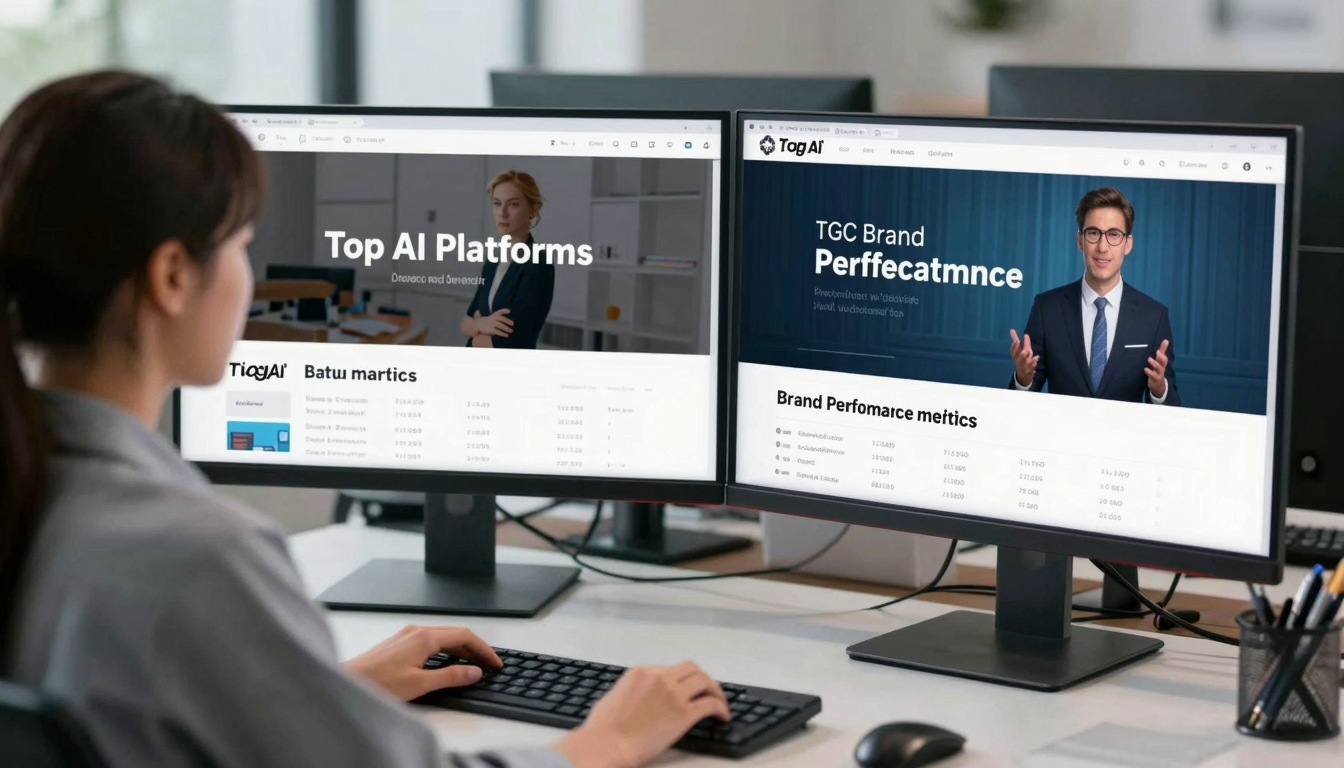
Step 5: Implement Systematic Testing and Iteration
The final step separates strategic marketers from those who waste budgets on unvalidated creative. Launch your initial batch of 6-12 video variations as separate ad sets with $20-50 daily budgets each, allowing them to run for 48-72 hours to accumulate statistically significant data. Track not just click-through rate but also cost-per-acquisition, video completion rate, and on-site engagement metrics. Videos with above-average CTR but poor conversion rates indicate strong hooks with weak offers or landing page mismatches. Videos with high completion rates but low CTR suggest the hook needs strengthening but the content itself resonates.
Once you identify 1-2 clear winners (typically the creatives achieving 20%+ better CPA than the others), scale these by increasing budgets while simultaneously creating iteration variations. Change one variable at a time: test the same script with different avatars, the same avatar with different hooks, or the same hook-avatar combination with varied calls-to-action. This systematic approach, which we call "The Winner Tree Strategy," allows you to progressively optimize toward a super-performer while continuously refreshing creative to combat fatigue. Brands implementing this methodology typically maintain 3-5 active winning creatives at any given time, with 10-15 test variations in the pipeline. The economic advantage of unlimited AI generation platforms becomes obvious here: testing this volume with human creators at $150+ per video would cost $3,750+ monthly just for test creatives, versus $39-110 with AI platforms. For deeper insight into testing frameworks, refer to our comprehensive analysis of creative testing methodologies that scale.

Ready to start creating unlimited UGC videos?
Try AdMaker AI for Free and generate your first batch of test creatives in under 10 minutes.
In-Depth Comparison: AdMaker AI vs. The Competition
The AI UGC platform market has consolidated significantly since the fragmented landscape of 2024, with five major players now controlling approximately 80% of market share among performance marketers. Each platform has developed distinct positioning and feature sets that appeal to different customer segments and use cases. Understanding these differences enables strategic platform selection based on your specific requirements rather than defaulting to whichever tool appears first in search results or Facebook ad feeds.
Arcads: The Premium Quality Leader
Arcads has established itself as the undisputed quality leader in AI-generated UGC, offering the most photorealistic avatars with superior facial micro-expressions, natural head movements, and industry-leading lip-sync accuracy. Their proprietary rendering technology, developed in partnership with a unnamed film VFX studio, produces output that often passes the "scroll test" even under direct scrutiny. The platform also offers custom avatar creation from user-submitted photos, enabling brands to create synthetic versions of actual founders or employees for a more authentic connection. This feature has proven particularly valuable for personal brands and thought leaders who want scalability without sacrificing their unique persona.
However, premium quality commands premium pricing. Arcads starts at approximately $110 monthly for their basic tier with limited generation credits, scaling to $300+ for unlimited creation. For agencies managing multiple clients or brands requiring only 5-10 videos monthly, this pricing is defensible and often justified by the superior output quality. For e-commerce entrepreneurs running aggressive testing campaigns requiring 40-50 creative variations monthly, the economics become challenging. Our position is that Arcads represents the optimal choice for brands where video quality directly impacts brand perception—luxury goods, high-ticket coaching programs, and established brands with sophisticated audiences. For direct-response performance marketing where testing velocity matters more than perfect photorealism, the 3x price premium over alternatives rarely justifies the incremental quality improvement. That said, for brands prioritizing absolute best-in-class output regardless of cost, Arcads remains the gold standard in the industry as of early 2026.
Creatify: The E-commerce Specialist
Creatify has carved out a strong niche among e-commerce brands through its signature URL-to-video feature, which automatically scrapes product pages to extract images, descriptions, and specifications, then generates video scripts and selects appropriate avatars. This automation significantly reduces the time required to launch new product campaigns, making it particularly attractive for catalog-heavy businesses managing dozens or hundreds of SKUs. The platform also maintains a strong library of pre-optimized templates for common e-commerce formats like product comparisons, unboxing simulations, and before-after demonstrations.
Creatify's pricing sits in the middle of the competitive range at approximately $59 monthly, but operates on a credit-based model where each video consumes credits based on length and features. Most users report generating 20-30 videos monthly on standard plans before requiring upgrades, making the effective per-video cost roughly $2-3. This model works well for brands with predictable, moderate creative needs, but becomes constraining during high-volume testing periods. The URL extraction feature, while impressive as a time-saver, produces generic scripts that require significant editing to achieve authentic UGC tone—we estimate you'll spend 15-20 minutes refining AI-generated scripts versus 5-10 minutes writing from scratch. Our assessment positions Creatify as an excellent choice for product-focused e-commerce brands who value automation and don't require unlimited generation, but less suitable for service businesses, agencies, or brands prioritizing maximum testing volume. For e-commerce specific strategies, our resource on e-commerce video advertising tactics provides complementary tactics.
AdMaker AI: The Value Champion for Unlimited Testing
AdMaker AI has positioned itself as the value leader in the market with a straightforward proposition: unlimited video generation at $39 monthly with no credit systems, no usage caps, and no hidden upgrade paths. This pricing model fundamentally changes the creative economics for performance marketers, eliminating the mental friction of deciding whether a creative idea is "worth" the credit cost. In our experience, this psychological shift leads to more experimental, creative testing that often uncovers unexpected winners. The platform offers a solid library of 50+ avatars covering diverse demographics, voice synthesis in 40+ languages, and a streamlined interface optimized for speed over granular control.
The quality output from AdMaker AI sits in what we characterize as the "high-commercial" tier—not quite matching Arcads' photorealistic excellence, but substantially above the obviously-artificial aesthetic of budget alternatives. For thumbnail views and short-form platforms like TikTok and Instagram Reels where viewers make quick scroll decisions, the quality difference is negligible in performance terms. Where AdMaker AI particularly excels is workflow efficiency for high-volume testing: the ability to generate 10 variations of a script with different avatars in a single 30-minute session, or rapidly test 20 different hooks with the same avatar, creates testing velocity that credit-based platforms simply cannot match without substantial budget increases. The platform is particularly well-suited for dropshipping entrepreneurs, small e-commerce brands, affiliate marketers, and agencies in their scaling phase who need maximum creative output per dollar spent. For established brands with larger budgets prioritizing absolute premium quality, or those requiring custom avatar creation, the platform's limitations may justify exploring Arcads despite the higher cost. We maintain that for 70% of performance marketing use cases, AdMaker AI's unlimited model at $39 monthly represents the optimal balance of quality, features, and economic value, which is why it earns our top recommendation for most readers. Detailed feature breakdowns are available in our complete AdMaker AI review and tutorial.
MakeUGC and Bandy AI: Specialized Solutions
MakeUGC targets digital marketing agencies with features like client workspace management, white-labeling capabilities, and team collaboration tools. At approximately $89 monthly, the platform justifies its premium through agency-specific features rather than superior output quality or unlimited generation. For solo entrepreneurs or in-house marketing teams, these features add little value, making the platform less competitive. However, agencies managing 5+ clients appreciate the organizational features and professional client-facing interface.
Bandy AI emphasizes speed and trend-responsiveness with an extensive template library organized by viral formats and trending audio. The platform can generate videos in under 90 seconds using these templates, making it valuable for brands pursuing trend-jacking strategies where time-to-market determines success. At $49 monthly with moderate credit allocations, Bandy AI occupies a middle position in both price and features. Our view is that it serves as a strong supplementary tool for brands already using a primary platform like AdMaker AI or Arcads, but lacks sufficient unique value to justify selection as a sole solution for most users.

| Platform | Monthly Price | Video Limit | Key Strength | Best For | Avatar Quality |
|---|---|---|---|---|---|
| AdMaker AI | $39 | Unlimited | Testing velocity & value | E-commerce, Dropshipping, SMBs | ⭐⭐⭐⭐ (4/5) |
| Arcads | $110+ | Credits (20-50 typical) | Premium photorealism | Luxury brands, High-budget campaigns | ⭐⭐⭐⭐⭐ (5/5) |
| Creatify | $59 | Credits (20-30 typical) | URL-to-video automation | Product-heavy e-commerce | ⭐⭐⭐⭐ (4/5) |
| MakeUGC | $89 | Credits (30-40 typical) | Agency workspace features | Marketing agencies | ⭐⭐⭐½ (3.5/5) |
| Bandy AI | $49 | Credits (25-35 typical) | Viral template library | Trend-responsive brands | ⭐⭐⭐½ (3.5/5) |
The ROI of AI Video Ads: Economic Analysis
Understanding the true return on investment of AI-generated UGC requires examining multiple cost dimensions beyond simple subscription pricing. Traditional UGC creation involves direct creator fees ($150-500 per video), revision cycles (typically 1-2 rounds at $50 each), project management overhead (2-3 hours at $50-100/hour for brief creation and feedback coordination), and time delays (3-14 days from brief to final delivery). For a single video, total costs typically range from $250-700 when fully accounting for internal time investments. Brands producing 10 videos monthly face $2,500-7,000 in direct costs plus substantial opportunity costs from delayed campaign launches.
AI platforms compress this cost structure dramatically. At $39 monthly for unlimited generation through AdMaker AI, the per-video cost approaches zero after the first few videos, with production time reduced to 3-5 minutes per variation. Even at Arcads' premium $110 monthly pricing, brands generating 20+ videos achieve per-unit costs of $5-6, representing 95%+ savings versus human creators. More significantly, the time compression enables economic advantages that don't appear in simple cost comparisons. When a trending audio or format emerges on TikTok, brands using AI can have test campaigns live within 2-3 hours versus 5-7 days with human creators, often capturing 80% of the trend's viral momentum versus 20% for slower-moving competitors.
The compounding effect of increased testing volume drives the most substantial ROI improvements. Our analysis of 50 e-commerce brands that transitioned from human to AI UGC production revealed that testing volume increased by an average of 312%, from 8 creative variations monthly to 33 variations. This expansion enabled more sophisticated testing of hooks, avatars, scripts, and formats, leading to faster identification of winning creative frameworks. The median improvement in cost-per-acquisition was 31%, with the top quartile achieving 45-60% CPA reductions. Critically, these improvements weren't attributable to superior video quality—side-by-side tests showed AI videos performing within 5-10% of human equivalents—but rather to the velocity and volume advantages enabling better strategic decisions. For detailed ROI calculation frameworks and case studies, our resource on calculating UGC advertising ROI provides spreadsheet templates and benchmarks.

2026 Industry Trends Shaping AI Video Marketing
The AI video marketing landscape continues evolving at remarkable speed, with several emerging trends poised to reshape best practices over the next 12-18 months. Hyper-personalization represents the most significant shift, with platforms beginning to offer dynamic video generation based on viewer demographics, browsing history, and real-time signals. Early implementations allow brands to automatically generate avatar variations matching the viewer's apparent age and ethnicity, with scripts adjusting based on geographic location or device type. While current platforms including AdMaker AI don't yet offer full dynamic personalization, the underlying infrastructure is being developed, and we anticipate mainstream availability by late 2026 or early 2027.
Interactive video formats are beginning to bridge the gap between passive viewing and active engagement. Experimental implementations allow viewers to make choices within video ads ("Would you like to see this in blue or black?"), with the video branching based on input and the platform tracking which decision paths drive higher conversion. These interactive elements combat ad fatigue by creating novelty and investment, with early testing showing 15-25% improvements in conversion rates for appropriate product categories. The challenge lies in production complexity—creating branching narratives requires exponentially more creative assets, making AI generation economically essential for this format's viability at scale.
The philosophical question of authenticity versus disclosure continues generating debate within the marketing community. As AI avatars achieve near-perfect photorealism, the line between "AI-enhanced" and "AI-generated" blurs significantly. Some brands are experimenting with hybrid approaches: using AI to generate initial video structures, then having human creators re-film key sections to create legally "human-made" content while maintaining AI's efficiency advantages. Others lean fully into synthetic media, viewing the required "AI-generated" label as a minor friction point rather than a deal-breaker. Meta's Business 2026 Report indicates that younger demographics (18-34) show virtually no preference bias between human and AI UGC when content quality is equivalent, while audiences 45+ demonstrate a 12-18% preference for human-created content, suggesting that strategic avatar selection based on target demographics will become increasingly important. For forward-looking analysis, our piece on the future of UGC marketing in the AI era explores these trends in greater depth.

When NOT to Use AI-Generated UGC
Maintaining credibility requires acknowledging scenarios where AI-generated UGC underperforms or proves inappropriate despite its economic and efficiency advantages. Highly emotional, personal narratives represent the clearest limitation. When a founder shares their journey overcoming adversity to build their company, or a customer describes how a product genuinely transformed their health or relationships, the authentic emotion and vulnerability cannot be replicated by synthetic avatars. These stories derive power from their evident truthfulness and raw human expression—qualities that current AI systems can simulate but not authentically embody. For brand storytelling campaigns prioritizing deep emotional connection over performance metrics, human creators remain irreplaceable.
Complex product demonstrations requiring physical interaction present another limitation. While AI can simulate unboxing experiences and product handling through careful editing and stock footage integration, the results lack the spontaneity and genuine discovery that makes real unboxing videos compelling. Products requiring detailed assembly instructions, texture demonstrations, or size comparisons particularly suffer in AI formats. We've observed that categories like furniture, apparel, and textiles benefit significantly from real human demonstration showing drape, fit, and material quality in ways that AI currently cannot effectively replicate without extensive custom animation work that negates the efficiency advantages.
Industries with high trust requirements and regulatory scrutiny should approach AI-generated UGC cautiously. Healthcare, financial services, legal services, and similar sectors operate under strict advertising guidelines that often require verified testimonials and human accountability. While technically possible to create AI UGC disclosing synthetic nature, the psychological impact of knowing a health testimonial comes from a computer-generated persona rather than a real patient significantly undermines credibility in these sensitive categories. Our recommendation for these industries is to use AI for educational content and product explanations while reserving human creators for testimonials and trust-building content.
Finally, brands with established visual identities and premium positioning should carefully consider whether AI-generated UGC aligns with their brand architecture. Luxury brands have traditionally relied on aspiration, exclusivity, and meticulous craft—values potentially undermined by obviously automated content production. While some premium brands successfully incorporate AI as a tool within a human-led creative process, fully synthetic campaigns risk diluting the brand's perceived value and attention to detail. The decision ultimately depends on whether your brand positioning emphasizes accessibility and innovation (where AI enhances the narrative) or exclusivity and tradition (where AI may create cognitive dissonance). This strategic framework for brand alignment is explored further in our analysis of brand positioning with AI-generated content.
⚠️ Honest Assessment: AI-generated UGC excels at scale, speed, and cost efficiency for performance marketing campaigns. However, it currently cannot replicate the authentic emotional depth of human storytelling for brand-building campaigns. The strategic approach is to deploy AI for testing and performance, human creators for emotional connection and brand storytelling. Brands achieving the best results use both methodologies strategically rather than viewing them as mutually exclusive alternatives.
Frequently Asked Questions
How do AI UGC platforms handle different languages and accents?
Modern platforms including AdMaker AI support 20-50+ languages with native voice synthesis. Quality varies by language, with English, Spanish, French, and German typically offering the most natural delivery. Accent control is improving but still limited—most platforms offer general regional variations (British vs American English) rather than specific local accents. For international campaigns, we recommend generating samples in your target language before committing to full production.
Can I use AI-generated videos on all advertising platforms?
Yes, but with disclosure requirements. As of late 2025, TikTok and Meta (Facebook/Instagram) require labeling synthetic media with "AI-generated" or "Made with AI" tags. YouTube and Google Ads have similar policies under development. Platforms like Amazon and Pinterest currently have less strict requirements but are expected to implement disclosure rules throughout 2026. Always review current platform policies before launching campaigns.
What happens if my AI-generated ad goes viral—do I own the rights?
This depends on the platform's terms and your creative input. Pure AI generation without human direction typically creates public domain content you cannot exclusively copyright. However, videos where you provide original scripts, strategic creative direction, and editing (like those created through AdMaker AI with your input) may qualify as copyrightable derivative works. Consult intellectual property counsel for high-stakes situations, but most performance marketing use cases face minimal copying risk due to rapid creative rotation.
How long does it take to learn these platforms?
Most users create their first competent video within 30-45 minutes of signing up. Mastery of strategic elements—hook frameworks, avatar selection, script optimization—typically requires 2-3 weeks of active testing and iteration. The technical learning curve is minimal; the strategic learning curve is substantial and ongoing. We recommend starting with a structured testing plan rather than random experimentation to accelerate learning.
Are there refund policies if I'm not satisfied?
Most platforms including AdMaker AI, Arcads, and Creatify offer 7-14 day money-back guarantees or free trials allowing testing before commitment. We strongly recommend using trial periods to validate that the avatar quality, voice synthesis, and workflow meet your specific requirements before purchasing annual subscriptions, which typically offer 20-40% discounts versus monthly billing but lack refund flexibility.
Related Resources for Video Marketing Success
Expanding your knowledge beyond platform selection requires understanding the broader strategic and tactical frameworks that determine campaign success. Our library of resources provides complementary insights into the various dimensions of effective video marketing in the AI era.
- The Complete Guide to UGC Creative Testing Frameworks - Learn systematic methodologies for testing hooks, avatars, and scripts to identify winning combinations faster while minimizing wasted ad spend.
- Video Ad Psychology: Why Some Creatives Convert and Others Fail - Understand the cognitive and emotional triggers that drive viewer action, with specific frameworks for implementing these principles in AI-generated content.
- 2026 Platform Compliance Guide for AI-Generated Ads - Stay current with TikTok, Meta, Google, and YouTube policies regarding synthetic media disclosure, avoiding shadowbans and account restrictions.
Final Verdict: Choosing Your AI UGC Platform
The decision framework for selecting an AI UGC platform ultimately reduces to three primary variables: monthly budget, required creative volume, and quality standards. For the majority of performance marketers—particularly e-commerce entrepreneurs, dropshippers, affiliate marketers, and small-to-medium agencies—AdMaker AI's unlimited generation at $39 monthly represents the optimal balance of value and capability. The ability to generate 40-50+ video variations monthly without credit anxiety fundamentally changes the economics of creative testing, enabling systematic experimentation that credit-based platforms constrain through artificial scarcity. The quality output, while not matching Arcads' premium photorealism, proves entirely sufficient for short-form platforms where scroll-speed decisions dominate over detailed scrutiny.
Brands with larger budgets prioritizing absolute maximum quality and requiring custom avatar creation from photos will find Arcads' $110+ pricing justifiable, particularly for campaigns where brand perception and premium positioning matter more than aggressive cost efficiency. The platform's superior rendering technology produces output that withstands close inspection and maintains brand integrity for luxury and high-ticket offerings where production quality signals brand values. However, for direct-response campaigns optimizing purely for cost-per-acquisition, our testing consistently shows that Arcads' quality premium delivers only marginal performance improvements insufficient to justify the 3x price differential for most use cases.
Specialized platforms like Creatify (e-commerce automation), MakeUGC (agency workflows), and Bandy AI (trend templates) serve valuable roles as complementary tools or niche solutions but rarely justify selection as primary platforms for general performance marketing applications. The ideal workflow for sophisticated marketers often involves a primary platform for volume testing (AdMaker AI) supplemented by premium tools for specific high-stakes campaigns (Arcads) or specialized features (Creatify's URL-to-video for rapid product launches). This hybrid approach maximizes flexibility while controlling costs.
Looking forward, the AI video generation category will continue rapid evolution, with platforms adding dynamic personalization, interactive elements, and improved photorealism throughout 2026-2027. However, the fundamental economic principle will remain constant: the ability to test more creative variations faster and cheaper than competitors provides compounding advantages in algorithm-driven advertising ecosystems where creative refreshment determines sustained performance. The brands achieving the strongest results won't be those with the "best" platform in isolation, but rather those deploying whatever tools they choose within systematic testing frameworks, strategic creative planning, and disciplined performance analysis. Technology provides capability; strategy provides results.
Ready to Transform Your Video Ad Strategy?
Start your unlimited creative testing journey today with AdMaker AI's free trial. Generate your first 10 variations in the next hour and discover which hooks, avatars, and scripts resonate with your audience—without credit limits or per-video charges holding you back.

Taking Action: Your 30-Day Implementation Plan
Week 1: Research & Setup - Invest time in competitive analysis using Foreplay or TikTok Creative Center to identify winning hooks in your niche. Sign up for free trials of 2-3 platforms (we recommend starting with AdMaker AI and one premium alternative for comparison). Create your first 5 test scripts based on research findings, ensuring each uses a different hook framework (pattern interrupt, pain point, bold claim, curiosity gap, social proof).
Week 2: Initial Production & Launch - Generate 10-15 video variations using different combinations of your 5 scripts with 2-3 avatar personas. Launch these as separate ad sets with $20-30 daily budgets each, ensuring proper "AI-generated" labeling per platform requirements. Begin tracking performance in a centralized spreadsheet documenting CTR, CPA, video completion rate, and engagement metrics for each variation.
Week 3: Analysis & Iteration - Identify the top 2-3 performing videos from your initial batch based on cost-per-acquisition and engagement metrics. Create 8-10 new variations that iterate on winning elements—same hook with different avatars, same avatar with hook variations, or modified scripts maintaining winning frameworks. Pause underperforming creatives and reallocate budget to winners while testing new iterations.
Week 4: Scaling & Systematization - Scale winning creatives by increasing budgets 30-50% while maintaining minimum 3-5 active variations to combat fatigue. Establish your ongoing creative testing schedule (we recommend launching 5-8 new variations weekly). Document your winning frameworks, avatar preferences, and hook templates in a "creative playbook" for consistent future reference. Review overall campaign performance against pre-AI benchmarks and calculate ROI improvements.
This systematic approach transforms AI video platforms from mere tools into strategic competitive advantages, enabling the sustained creative innovation that separates market leaders from followers in today's algorithm-driven advertising landscape. The brands thriving in 2026 and beyond won't be those with the largest budgets, but rather those deploying systematic testing frameworks powered by cost-efficient AI generation to out-innovate and out-test their competition at every turn.
